
Unfortunately, they are also turning out to be one of our greatest sources of misinformation and stress. Facebook and X (formerly known as Twitter) have become a hotbed of propaganda games, troll behaviour, and memes that proudly boast mistruths. Whether you find that these posts suit your agenda or not, the effect is the same. They are a trigger for stress.The current state of social media is problematic because it enables bullying and cruel behaviour to spill into our attitudes and actions. To some, this moral misbehaviour has become the norm and the stress of it is showing.
 The final straw for me came when a friend of mine posted a political meme that had been previously proven as a false statement. I called her out on it and she calmly responded, "I know but I don't like him."I was stunned. You know it is a lie but you are going to promote the slander regardless of its misinformation?
 Ask yourself how sharing a message will affect those involved?
What is your purpose in sharing this message?
If you are sharing a post with the sole intention of hurting someone, then perhaps it is a message that should not be shared. Now that social media is a major part of our lives, there are times when it can be quite easy for us to be led into the sharing of propaganda messaging. Negative online feeds are a relatively new phenomenon and one that we may not necessarily be emotionally equipped to deal with. Life can get a little confusing at times and there are issues we are exposed to that can get more than a wee bit controversial. These events and occasions can spark deep emotions and this is when we are more likely to discuss or lean on others for their support.
Ask yourself how sharing a message will affect those involved?
What is your purpose in sharing this message?
If you are sharing a post with the sole intention of hurting someone, then perhaps it is a message that should not be shared. Now that social media is a major part of our lives, there are times when it can be quite easy for us to be led into the sharing of propaganda messaging. Negative online feeds are a relatively new phenomenon and one that we may not necessarily be emotionally equipped to deal with. Life can get a little confusing at times and there are issues we are exposed to that can get more than a wee bit controversial. These events and occasions can spark deep emotions and this is when we are more likely to discuss or lean on others for their support.

 Become part of the change. Propaganda and troll behaviour have become an almost acceptable aspect of our current lifestyle, but we don't have to allow it to remain as such. We can reverse its acceptability. There are better ways to share on social media than getting involved in the propaganda game.
Not everything you read online is true. Even when you know the person who is posting the message it still may not contain factual information. Much of the current social media misinformation and bully behaviour seems to have arrived alongside the propaganda that ran rampant within the Trump vs Clinton U.S. election campaign. Unfortunately, rather than receding once the election was complete, it continued. In some cases, it has even increased in its intensity. Emotionally speaking, life has always consisted of a series of ups and downs. However, things have definitely gotten out of control recently. We are slowly being brainwashed into an acceptance of moral conduct that runs counter to everything we were taught as proper and just.

Honesty, morality, and human rights are not factored into that action which means that something has definitely gone horribly wrong in our moral acceptance of fact versus fiction. I am at a complete loss as to understand when this conduct became acceptable behaviour.
Now one might think that this spreading of misinformation would bring stress only to those who are on the receiving end but it turns out that even those sharing these fallacies are finding their emotions altered as well. Sadness, delight, anger, hurt, and guilt are emotions triggered as we view or post the messages designed to influence us. Odds are that if you are seeing any type of online propaganda, its negative messaging is affecting your mood.The solution is quite simple. Don't play the propaganda game. Don't share questionable material. Report misinformation when you discover it. Fact check with reputable sources before you share.
- Use a minimum of three reputable sources to fact check information.
- Is the message an opinion or a fact?
- Opinion is more open to interpretation and thus more likely to be misconstrued. Is the message accurate?
- Is the message misrepresented to suit a specific viewpoint or agenda?
- Are additional facts missing that could change the meaning of the information being presented?
- What does the writer have to gain from the sharing of this information?
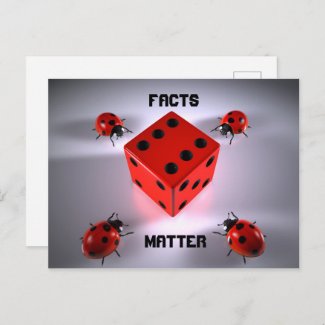
You can help to stop the spread of misinformation by reporting questionable posts or by simply choosing not to share the negative or hurtful post. Photos, videos, articles, and memes are all common ways of sharing information on social media and you have the power to control the things you elect to share. Delete or report a questionable post rather than share it.

Much of this propaganda sharing is a form of bullying behaviour and something we were taught early in life is not acceptable. Hiding behind our keyboard does not make it acceptable now. Putting someone down, shaming them, sharing misinformation, untruths, or slanderous comments may seem relatively harmless but it is not. Negative messages will not only affect those who we share this information about and with, but it will also likely have a profound affect on our emotion and personality. If we are surrounded by negative emotion on a regular basis it can and will affect our mood.

The propaganda posts we are reading and sharing can cause us to become angrier, more fearful, and increasingly pessimistic concerning other areas of life. They can also bring with them a feeling of helplessness, depression, and perhaps even guilt for the sharing of information that we know to be untrue or potentially harmful. It affects emotional well being and alters our moral standards and behaviour. Much of this propaganda sharing is a form of bullying behaviour and something we were taught early in life is not acceptable. Hiding behind a keyboard does not make it acceptable. Putting someone down, shaming them, sharing misinformation, untruths, or slanderous comments may seem relatively harmless but it is not.
Do we really want to allow ourselves to be controlled like that? We teach our children not to be bullies yet we allow ourselves to be molded into one. On the reverse side of the coin if we choose to surround ourselves with positive messaging then we will generally become a happier, more optimistic, and kinder person. Viewing and sharing happy positive messaging on social media will affect how we interact with those we associate with on a daily basis. It can be a real mood changer.
Share a More Positive Message

At times it can be difficult not to hit the share button on Facebook, Reddit, or X, but breaking away from negative posting can help improve not only our mood but also the attitude of others. Like any bad habit we attempt to break, it may take time and a few setbacks to remove ourselves from the situation, but it can be done. It is simply a matter of retraining our thinking and our actions. When we surround ourself with positive messages we become a more positive person.
No act of kindness goes unnoticed so get noticed in a way that benefits yourself and those you interact with. Compliment someone, post a heart warming story, or share a humorous quip, cartoon, or story. Share acts of kindness and positive messages. Keep a camera handy to take photos to share. There are many places and events that others would love to see and we can bring our little corner of the world to their doorstep through our social media posts. When posting positive messages use the hashtag #kindness matters.